
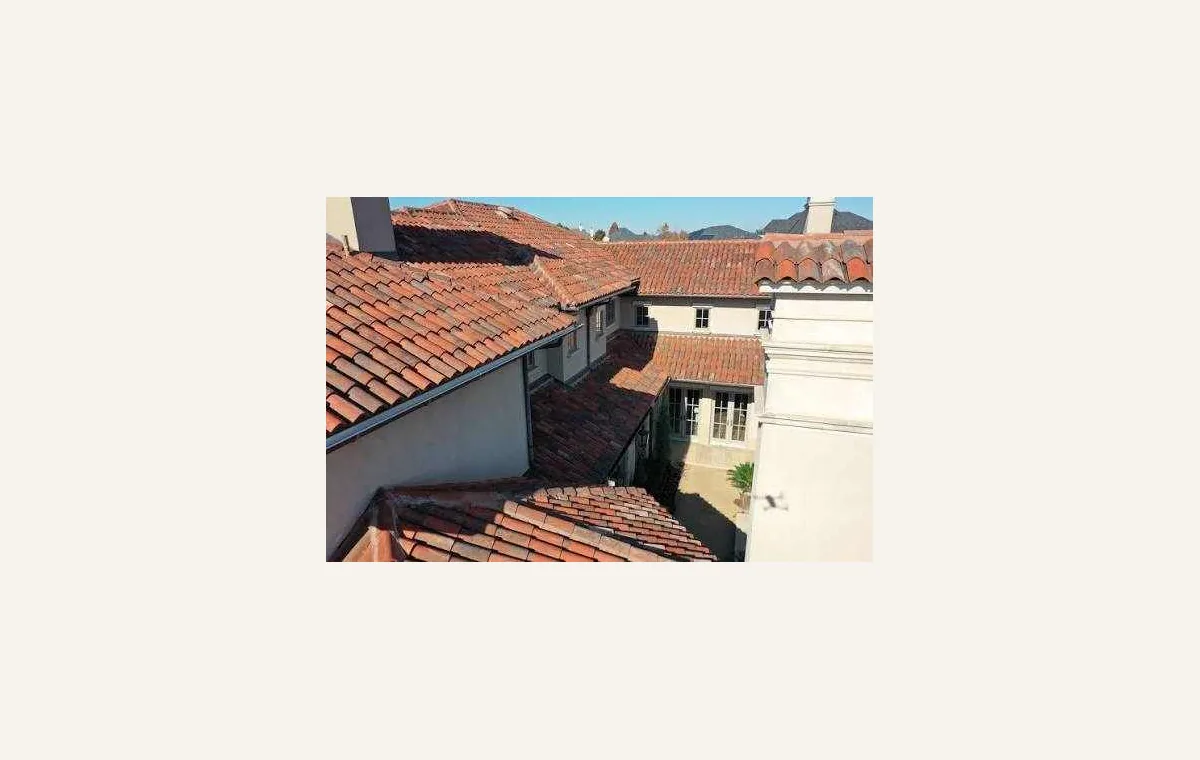
Broken or cracked roof tiles can be easy to overlook from the ground. A tile may look slightly shifted, or a small corner may be missing, while the more important concern sits below the surface. For Frisco homeowners, tile damage deserves attention because heavy rain, hail, wind, heat, and roof traffic can all affect how the tile system sheds water.
The question many homeowners ask is simple: can the damaged area be repaired, or does the roof need replacement? The answer depends on how many tiles are affected, whether water reached the underlayment, and whether the rest of the roof system is still performing as intended.
Common Causes of Cracked Roof Tiles
Tile roofing is durable, but individual tiles can still break. In North Texas, severe weather is one of the most common reasons homeowners notice cracked or displaced tiles. Hail can chip tile surfaces, break edges, or create impact points that weaken the tile even when the crack is not obvious from the yard.
Wind can also shift loose pieces, especially near ridges, edges, valleys, or areas where previous repairs were made. Once a tile moves out of position, water may travel in a direction the roof was not designed to handle.
Foot Traffic Damage
Tile roofs require careful walking patterns. A person stepping in the wrong location can crack clay or concrete tiles. This may happen during satellite work, gutter cleaning, holiday light installation, pest control, or an attempt to inspect the roof without the right experience.
Even one broken tile can matter if it exposes the layer below. Homeowners should avoid walking on tile roofing when possible because a small inspection can accidentally create a larger repair need.
Temperature Changes and Aging
Frisco weather can shift quickly between hot days, cool nights, and strong storms. Over time, expansion and contraction may stress older tiles, sealant, flashing points, and fasteners. Tiles can also become more brittle as they age, making impact or handling damage more likely.
When a Tile May Be Repairable
A focused repair may make sense when the damage is limited to a small area, the surrounding tiles are stable, and there are no signs of moisture below the surface. For example, one or two cracked tiles may be candidates for replacement if the underlayment is still sound and the roof details around that area are intact.
Homeowners can learn more about service options on the tile roof repair page. A repair-focused approach usually starts by identifying the visible damage, checking nearby tiles, and reviewing whether water has moved below the tile layer.
Signs Replacement May Be Required
Replacement enters the conversation when damage is widespread, when many tiles are broken or loose, or when the roof has repeated leaks in multiple areas. A roof may also need broader work if the underlayment is worn, brittle, torn, or no longer protecting the roof deck.
Tile surfaces can sometimes look acceptable while the protective layer underneath has aged out. In that situation, replacing only a few visible tiles may not solve the real problem. The tile roof replacement page explains when a wider roof plan may be worth reviewing.
Hidden Underlayment Damage
The underlayment is one of the most important parts of a tile roof. Tiles shed most water, but the underlayment helps protect the roof when wind-driven rain, cracked tiles, valleys, flashing areas, or roof penetrations allow moisture below the surface.
If a cracked tile has been open for a while, water may have reached this layer. Warning signs can include ceiling stains, attic moisture, musty smells, dark decking, soft spots, or leaks that appear only after heavy rain.
Why Inspection Matters
A tile roof inspection helps separate cosmetic damage from functional roof concerns. The inspection should look at cracked tiles, displaced pieces, valleys, flashing, roof penetrations, underlayment warning signs, and interior leak evidence. It can also help determine whether damage is isolated or part of a wider pattern.
If you are unsure how serious the damage is, reviewing the tile roof inspection service can help you understand what should be checked before deciding on repair or replacement.
Repair Versus Replacement Considerations
When comparing repair and replacement, consider the age of the roof, the number of damaged tiles, the condition of the underlayment, and whether leaks have happened before. A repair may be appropriate for limited, recent damage. Replacement may be more reasonable when the roof has ongoing leaks, broad tile movement, or underlayment concerns.
The best next step is not always the biggest one. It is the one that matches the roof condition. For Frisco homeowners, a careful check can prevent guesswork and help make the decision easier.
FAQs
Yes. One cracked tile can allow water to reach the underlayment, especially during wind-driven rain. The leak risk depends on where the tile is located, how wide the crack is, and whether the protective layer below the tile is still in good condition.
Not always. A few damaged tiles may only need focused repair if the surrounding roof is stable. Wider replacement may be considered when many tiles are damaged, the roof leaks repeatedly, or the underlayment below the tiles is worn or compromised.
Walking on tile roofing can create more cracks if weight is placed in the wrong area. Homeowners should avoid climbing onto tile roofs when possible. Photos from the ground and a professional roof check are usually safer ways to start.
Look for ceiling stains, damp drywall, musty smells, attic moisture, bubbling paint, or dripping during heavy rain. These signs may not appear directly below the broken tile because water can travel along underlayment, framing, or roof penetrations.