
Quick answer
Clay and concrete tiles can last 50 years or more, and clay often lasts longer. The underlayment under the tiles usually wears out first. Traditional felt underlayment often lasts about 20 to 30 years, so many tile roofs need underlayment work long before the tiles are worn out.
Ask how long a tile roof lasts and you will hear big numbers like 50 or even 100 years. Those numbers are about the tiles. A tile roof is a system, though, and the parts you cannot see age on a different schedule.
Here is a realistic look at tile roof lifespan for homeowners in Frisco and the rest of North Texas.
Tile roof lifespan at a glance
| Part of the roof | Typical lifespan | What to know |
|---|---|---|
| Clay tile | 50 to 100 years | Fired clay holds its color well. Breaks under impact or careless foot traffic. |
| Concrete tile | 50 years or more | Very durable, but color can fade with years of sun. |
| Felt underlayment | About 20 to 30 years | Dries out, cracks and tears with heat and age. Usually the first part to fail. |
| Synthetic or self adhered underlayment | Rated longer than felt | Check the product rating. Installation quality still matters most. |
| Flashing and sealants | Varies | Depends on the metal, the sealant and exposure. Worth checking at every inspection. |
These are typical ranges, not promises. Installation quality, storms, maintenance and the materials used all move the numbers up or down.
Why the underlayment sets the real timeline
Tiles shed most of the rain, but they are not sealed together. Some water gets under them by design, and the underlayment carries it to the eaves. When that layer gets brittle and cracks, leaks start, even if the tiles above look fine.
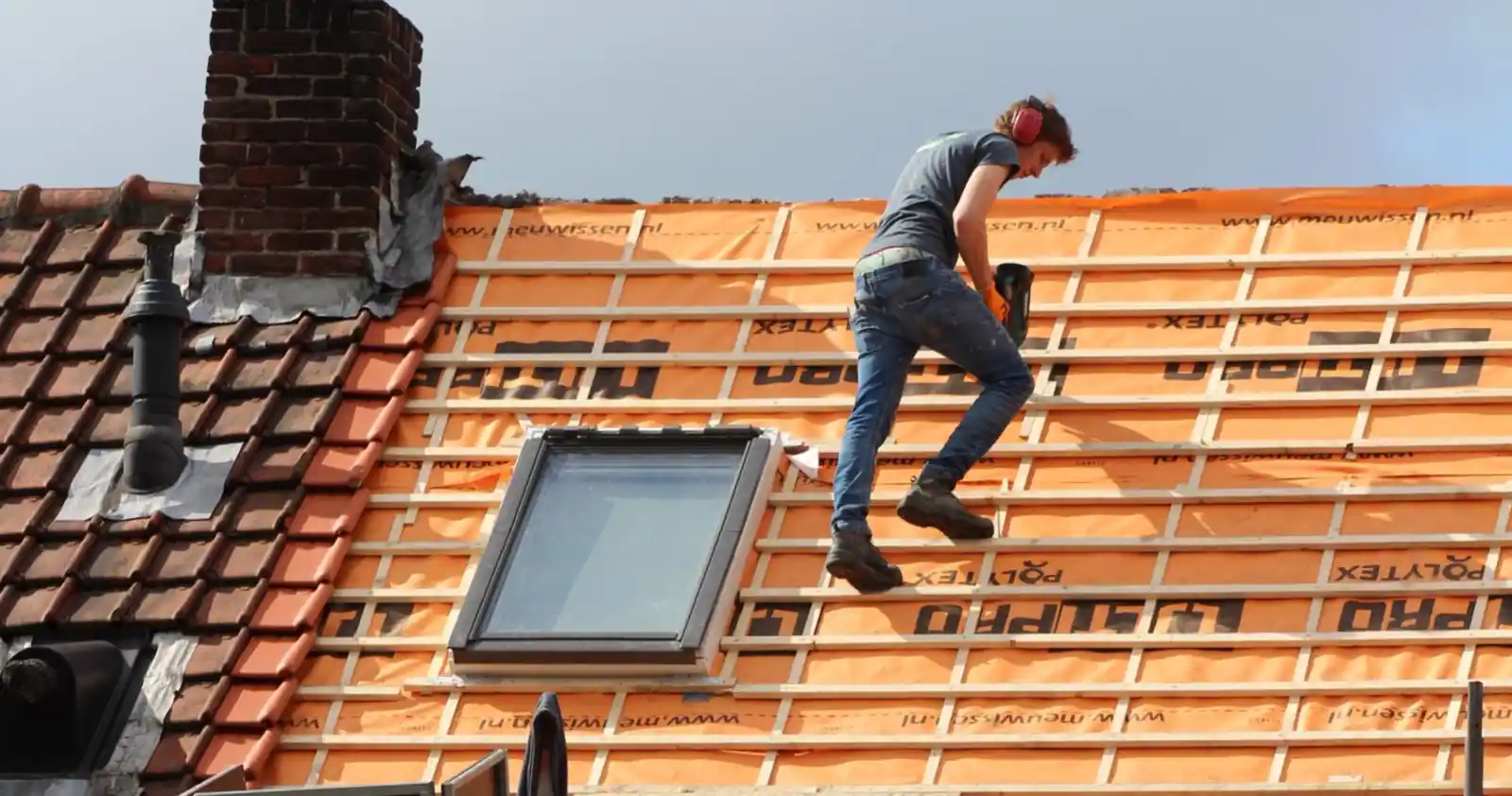
The good news is that worn underlayment does not always mean new tiles. In many cases the tiles can be lifted, new underlayment installed and the same tiles set back in place. That is called a re-lay, and it can give a roof with good tiles many more years of service. Our underlayment replacement page explains the process.
Clay vs concrete tile lifespan
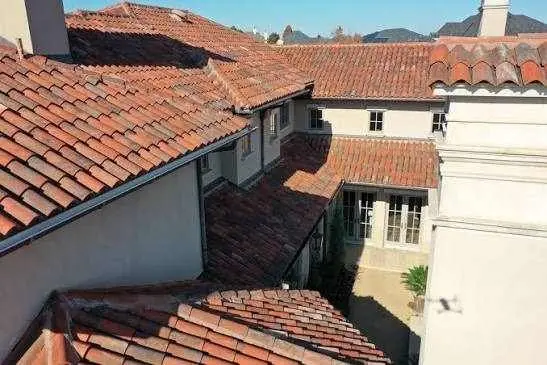
Clay tile is fired in a kiln, so the color goes through the tile and holds up well in the sun. It is known for an exceptionally long life when it is not damaged.
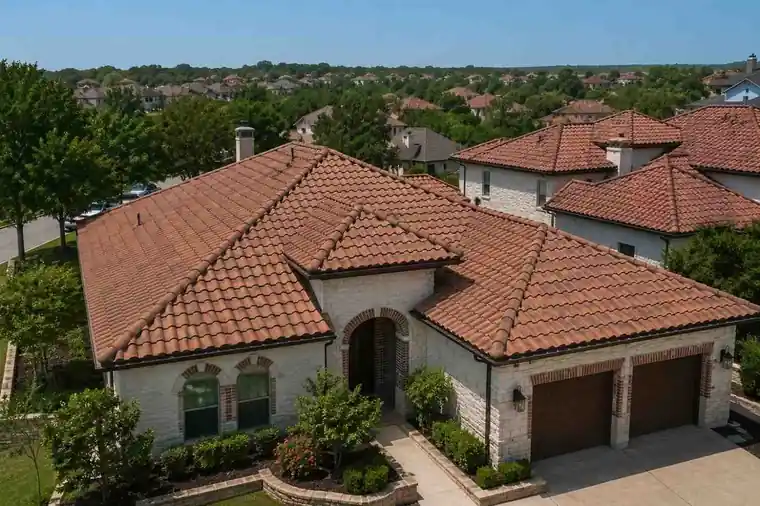
Concrete tile is made from cement and sand and is common on homes across the Dallas area. It is very durable and can also last 50 years or more, though its surface color can fade over the decades.
Both are heavy, both can crack under a careless step and both rely on the underlayment below to keep water out. Whichever you have, the care is much the same.
What shortens a tile roof's life in North Texas
- Hail. Storms with large hail are most common here in spring and can crack tiles, exposing the underlayment to water and sun.
- Summer heat. Long, hot summers dry out and age traditional felt underlayment.
- Foot traffic. Other trades walking the roof for satellite, solar or HVAC work often crack tiles.
- Clogged valleys and gutters. Debris holds water against the underlayment and flashing.
- Poor repairs. Face nailed tiles, heavy caulk and mortar patches can block drainage and create new leaks.
- Low slope sections. The International Residential Code sets a minimum slope of 2.5:12 for clay and concrete tile and calls for two layers of underlayment on slopes from 2.5:12 up to 4:12. Low sections built without that protection tend to leak sooner.
Signs your tile roof needs attention
- Ceiling or wall stains, especially after heavy or wind driven rain
- Cracked, slipped or missing tiles
- Dark, brittle or torn underlayment visible at the lower edge of the roof
- Tile pieces in gutters or on the ground
- Rusted or loose flashing at valleys, walls, chimneys or vents
- The roof is 20 years old or more and still has its original felt underlayment
If you see more than one of these, a tile roof inspection that looks under a few tiles is the fastest way to know where you stand.
Repair, re-lay or replace?
Most tile roofs move through the same stages. Early on, small repairs handle the occasional cracked tile. Later, when the underlayment wears out, a re-lay replaces it while keeping the good tiles. Full replacement makes sense when the tiles themselves are badly damaged, no longer matchable or you want a different roof. The guide on broken or cracked roof tiles walks through that decision in more detail.
If you re-roof in Frisco, the work has to meet the codes the city has adopted. Frisco adopted the 2024 International Residential Code with local amendments, effective March 1, 2026, and its fee schedule includes a reroof permit. Your roofer should explain which permits apply to your project.
How to make a tile roof last longer
- Keep valleys and gutters clear so water can drain the way the roof was designed.
- Replace cracked tiles soon instead of waiting for a stain inside.
- Limit foot traffic and ask other trades to work with someone who knows how to walk tile.
- Check the roof after hail and keep photos and notes.
- Schedule regular inspections so small problems are found while they are still small. Our tile roof maintenance page lists what a routine visit includes.